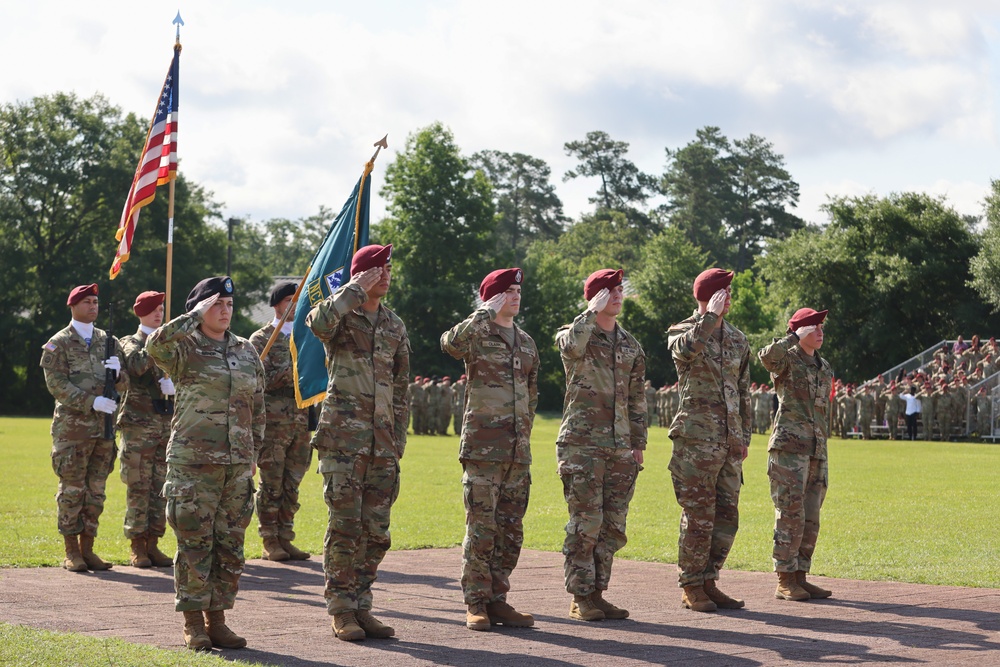
The U.S. Army reports that Soldiers of the 11th Corps Signal Brigade practiced long-distance radio skills at Fort Hood, Texas. They took part in Noble Skywave, held Oct. 20-22, 2026. The Canadian Armed Forces hosted the 54-hour event. Military and civilian radio operators tried to make as many long-distance connections as they could.
The Soldiers worked with high-frequency (HF) radios. HF radios send voice and data over long distances. The contest used single sideband (SSB), which is a way of sending voice by radio. It also used second- and third-generation automatic link establishment (ALE), which helps radios find each other and connect on their own.
Why should small-unit leaders care? The Army says the event gave Soldiers practice with backup ways to communicate. These matter when main systems are unavailable or degraded. Degraded means the system still works, but not as well as it should.
Command Sgt. Maj. Matthew Helmer, the brigade's senior enlisted leader, linked HF to a PACE plan. PACE stands for primary, alternate, contingency and emergency. It is a layered list of ways to communicate. He said the contest gives communicators a place to train on HF and some PACE transport options. In his words, if everything else goes out in large-scale combat operations (LSCO), HF can still give secure, reliable, long-haul communication.
Two Soldiers added a hands-on view. Pfc. Tyler Lavender, a network communication systems specialist with Bravo Company, 62nd Expeditionary Signal Battalion-Enhanced, had joined an HF Skills Challenge in July. At Noble Skywave he built skill on gear he uses less often. He said weather affects HF less than other methods, and batteries can keep it running if power goes out.
Staff Sgt. Cedric Macklin, a theater spectrum noncommissioned officer, stressed knowing different waveforms. A waveform is the form a radio signal takes. He said that knowledge helps warfighters stay in the fight when electronic warfare is used against them. Electronic warfare means using radio energy to jam or disrupt an enemy's systems.
This story is about one brigade's participation in a contest. It is not a new Army-wide rule, requirement or training standard. Still, it gives NCOs a useful way to think about their own teams. Skills used less often can fade, so practice has value.
Leaders might ask a few questions in their next planning meeting. Does our PACE plan name a real backup, not just a hopeful one? When did our team last use that backup? Who in the section knows the equipment well, and who needs practice? These are discussion points, not reported results.
The Army says the brigade plans to keep building HF skills. Its next scheduled step is the low-power HF radio communications exercise (QRPX) at Fort Hood in March 2027. The takeaway is simple: backup communications need regular practice before they are needed.
Source: U.S. Army: 11th Corps Signal Brigade participates in Noble Skywave 2026. Published 2026-10-29.