The U.S. Army reported that aviators and Soldiers took part in the sixth MV-75 Cheyenne Special User Evaluation (SUE) from Aug. 24 to 28, 2026. The Operational Development Team (ODT) and the National Guard State Army Aviation Office (SAAO) Advisory Council Working Group took part. A Special User Evaluation puts operational users directly into the aircraft development process. The MV-75 Cheyenne is a tiltrotor, which takes off and lands like a helicopter and flies like an airplane.
Soldiers should care because this aircraft will change how many aviation units train, fly and maintain their equipment. Pilots, crew chiefs and maintainers gave feedback before the first aircraft arrives. The Army says this input can reduce mental workload in the cockpit and help people and machines work together. It can also surface risks and costs early, when they are easier to fix.
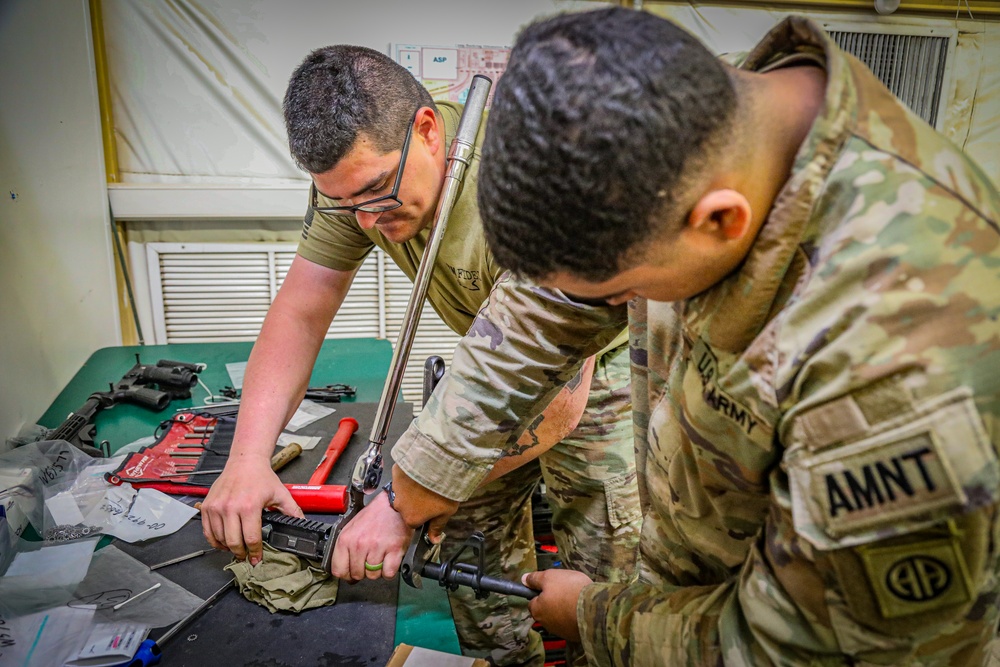
Participants began with a shared overview of the current program. They then worked with a prototype, a virtual reality trainer and a virtual version of the aircraft. Aviators compared the cockpit layouts of the CH-47 Chinook and UH-60 Black Hawk. They also flew to check cockpit layout in an MD 530. Maintainers practiced removing and replacing major components in virtual reality, which is a practical test for anyone who will work on the aircraft.
This was a program-level evaluation, not a new Army-wide rule or fielding decision. The article does not give an effective date or a fielding schedule, so readers should not assume either one. The program will combine the comparison feedback and discuss it with the contractor. Army leaders also noted that the Fort Rucker team will use what it learned to improve its own training demonstrations.
The article offers several lessons that junior NCOs can discuss with their teams. First, build working relationships with project offices and know who your points of contact are. Second, keep a clear picture of the current program baseline, because funding and schedules can change. A National Guard adviser also noted that longer range could let states centralize maintenance at one hub while keeping rapid response. Discussion question: what feedback would your crew or maintenance section give engineers about the equipment you use every day?
Source: U.S. Army: MV-75 Cheyenne gains Soldier insights during sixth Special User Evaluation. Published 2026-10-27.