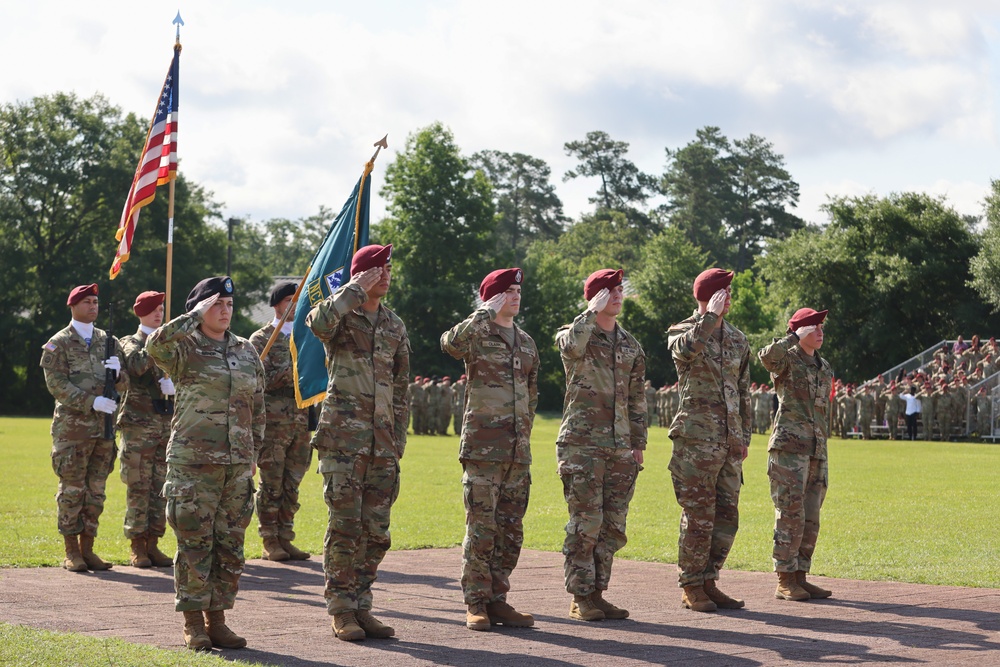
Paratroopers in the 2nd Mobile Brigade Combat Team (Airborne), 11th Airborne Division, recently ran a series of live-fire exercises at Joint Base Elmendorf-Richardson, Alaska. The U.S. Army reports that the training included the first kinetic drone strike in the Richardson Training Area. A kinetic strike means a drone delivers an explosive on a real target.
The exercises took place at the Multi-Purpose Training Range in late September and October 2026. Each Multi-Purpose Company, or MPC, combines several specialized capabilities at the battalion level. In these exercises, the MPCs brought together small unmanned aircraft systems, known as sUAS, along with sniper teams, reconnaissance elements and a gun truck. Armed first-person view drones, which are drones piloted from a video feed, were also part of the training.
The strike did not happen by chance. The Multi-Functional Reconnaissance Company coordinated the early work with explosive ordnance disposal personnel and sUAS specialists. Explosive ordnance disposal, or EOD, teams handle and control explosive materials. A brigade sUAS master trainer supported operators as they flew drones carrying unarmed explosive payloads. These test flights showed crews how the extra weight changed the way the drone handled in the air. Crews used that feedback before they flew any live strikes.
The lesson for junior NCOs is about preparation. Before a new capability goes live, a small team can test the equipment in a controlled way. Test flights gave operators information they could use to adjust their plans. Once the first live flight succeeded, other companies had a clear example to follow. NCOs can discuss how their own teams check new equipment, collect feedback and share proven steps with other squads.
The article also describes how the brigade combined reconnaissance, precision fire, ground-based firepower and armed drones. Reconnaissance elements helped identify targets. Sniper teams engaged targets with precision fire. The gun truck provided direct fire with live ammunition. Each system had a role, and the training stressed how coordinating them can produce stronger effects than any one system alone.
The source explains that these capabilities matter most in Arctic and mountainous terrain. Rough ground, limited movement and weak communications can complicate operations there. The article suggests that adding armed drones at the company level gives commanders more ways to find targets and deliver fire. Readers can consider how drones might change their own small-unit planning, communication and coordination. The article describes these points as the brigade's reasoning, not as Army-wide policy.
This is a unit-level training example, not a new Army-wide rule. The article does not describe a change to promotion, pay, benefits or fitness standards. It also does not state how widely the armed drone training will be used in the future. The publisher says the successful strikes lay a foundation for future armed sUAS training across the brigade. For NCOs, the useful takeaway is simple: test new tools carefully, share what you learn, and build teamwork across different weapon systems.
Source: U.S. Army: Spartan paratroopers expand battlefield lethality during multi-purpose company live-fire exercises. Published 2026-10-27.